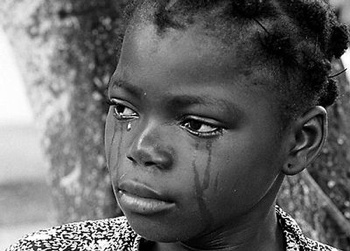
FREEDOM IS A HUMAN RIGHT!


The Campaign Story

 
For over a decade, I have dedicated my work to confronting injustice in its many forms—persecution for faith, gender, or political beliefs, the displacement of refugees, and the devastating crime of human trafficking. Through my years with Catholic Charities of Newark and the United States Conference of Catholic Bishops, I have met survivors whose lives were marked by fear, exploitation, and unimaginable suffering. Their stories continue to inspire my unwavering commitment to this fight.
This campaign is more than awareness—it is a call to action. Our purpose is to connect governments, NGOs, and communities across the globe so that knowledge, resources, and strategies can be shared in the battle against human trafficking. On this website, you will find:
  • International protocols and legislation from the United Nations and participating countries.
  • Governmental projects dedicated to combating trafficking.
  • NGO initiatives with contact information to strengthen collaboration.
  • Resources for technical assistance and research to better understand the scope of this hidden crime.
Because trafficking thrives in silence and secrecy, its true scale is unknown. But what we do know is this: every victim matters. Every survivor deserves freedom, dignity, and the chance to rebuild.
This campaign is an invitation—to raise awareness, to unite voices, and to create a network of protection and support. But it cannot succeed without the commitment of the New Jersey community, nonprofit partners, and law enforcement agencies who stand on the front lines of justice.
Freedom is not a gift—it is a right. Together, we can break the chains of modern-day slavery.


What is Human Trafficking


A Form of Modern-Day Slavery


Human trafficking is a grave violation of human rights. It involves the exploitation of persons for commercial sex or forced labor. Exploitation includes, at a minimum:

  • The prostitution of others or other forms of sexual exploitation

  • Forced labor or services

  • Slavery or practices similar to slavery

  • Servitude

  • The removal of organs

Human trafficking can be prosecuted on multiple legal grounds, reflecting its complex and devastating nature.

According to the Trafficking in Persons Protocol, trafficking is defined by the presence of three essential elements:

  1. The Act – what is done (recruitment, transport, transfer, harboring, or receipt of persons).

  2. The Means – how it is done (threats, force, coercion, fraud, deception, abuse of power or vulnerability, or payments).

  3. The Purpose – why it is done (always for exploitation).


"Commitment is what transforms a promise into reality. It is the words that speak boldly of your intentions and the actions that speak louder than words. It is making the time when there is none. It is coming through time after time, year after year. Commitment is the stuff character is made of, the power to change the face of things. It is the triumph of integrity over skepticism".


~Abraham Lincoln


HOST AN EVENT ON HUMAN TRAFFICKING

Helping victims of human trafficking is as simple as talking to a friend. Host an event and invite the community to discuss the exploitation of human beings. At this campaign, we are eager to spread the word, and we would like to talk at any community event about human trafficking and victim identification.

For more information, contact us at the State of New Jersey Human Trafficking Task Force


GET INVOLVED!


OSCE Combating HT

OSCE Combating human trafficking
Human trafficking affects virtually all OSCE states, either as countries of origin or destination. This modern form of slavery is an affront to human dignity, often involving psychological terror and physical violence. Human trafficking engages issues of human rights and rule of law, of law enforcement and crime control, of inequality and discrimination, of corruption, economic deprivation and migration.

As such, human trafficking affects virtually all OSCE participating States as countries of origin, transit or destination. This modern form of slavery is an affront to human dignity, often involving psychological terror and physical violence. The OSCE addresses many issues relevant to human trafficking: human rights and rule of law; corruption and crime control; discrimination and inequality; economic, labour, and migration policies. 

The OSCE Action Plan to Combat Trafficking in Human Beings provides the framework for OSCE activities in support of the anti-trafficking efforts of OSCE participating States. It contains core recommendations for action at the national level, known as the “3 Ps”:

  • Prevention, including awareness-raising and addressing root causes;
  • Prosecution, including investigation and co-operation with international law enforcement; and
  • Protection of victims’ rights, including assistance and compensation.